
Visual Effects Meets Special Effects
- Article 3 of 6
- The Post, November 2000
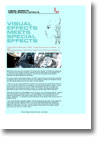
Most effects these days aren't necessarily the obvious ones. Whether it's matting out backgrounds or removing in shot production equipment, special effects are becoming far more integrated with live-action and visual effects than ever before. And that means far greater liaison between production and post-production than previously.
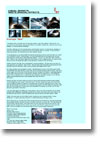
Two of Rushes' most recent jobs were for Streetlight on behalf of BP and for RSA for Invensys. Both had models that needed to be integrated with cgi and other special effects, yet a look that wasn’t obviously “artificial”.
“Just in the last year,” agrees RSA’s Chris Hartwill. “I’ve been doing more special effects stuff than I’ve done in the last five, the sort where people can’t tell what’s cgi and what’s live action. In these shoots, almost every shot can end up with certain post-production elements – production and post-production are definitely dove-tailing.”
But he has a footnote, worrying to most post-houses. “You shouldn’t be doing special effects for special effects’ sake. It should be the means of getting to an idea rather than the idea itself.”
Fellow director Paul Street of Streetlight concurs. “Whenever I can, I avoid special effects. I’ll always try to do everything for real and in-camera.”
Not exactly music to the ears to most facilities.
Yet both Hartwill and Street maintain that the main reason they use Rushes is that it knows where to draw the line. “I’ve worked quite a lot with Rushes,” says Street. “I’ve always had a good relationship with the people there. And they know the limitations of cgi.”
“I love to pick the brains of people I respect, who won’t lead you down the path of cgi or post if it’s not the right technique. Rushes won’t do that,” explains Hartwill. “And they’re enthusiastic. You can see the Rushes editors discussing projects with each other all the time – you know they’re really thinking about the job. Essentially, you’ve got to like the people you use for editing. You’re going to spend almost every day with them for three weeks.”